Why it’s important to have a skin care routine:
A skin care routine has four main steps, one in the morning and one before bed.
In This Blog
Cleanser:
After washing, choose a cleanser that doesn’t make your skin feel tight. If you want that squeaky-clean feeling, you should avoid washing because it strips your skin of its natural oils. Use a cleanser that cleans your skin deeply and hydrate it as well.
Serum:
Use a serum that contains essential oils to make your skin smooth and silky. Serums like Lemon essential oil and lavender essential oil boosts you skin up. Essential oil serums make skin amazingly beautiful, silky and shiny. The key secret to skin is hydration; the most it would be hydrated the more it will shine.

Moisturizer:
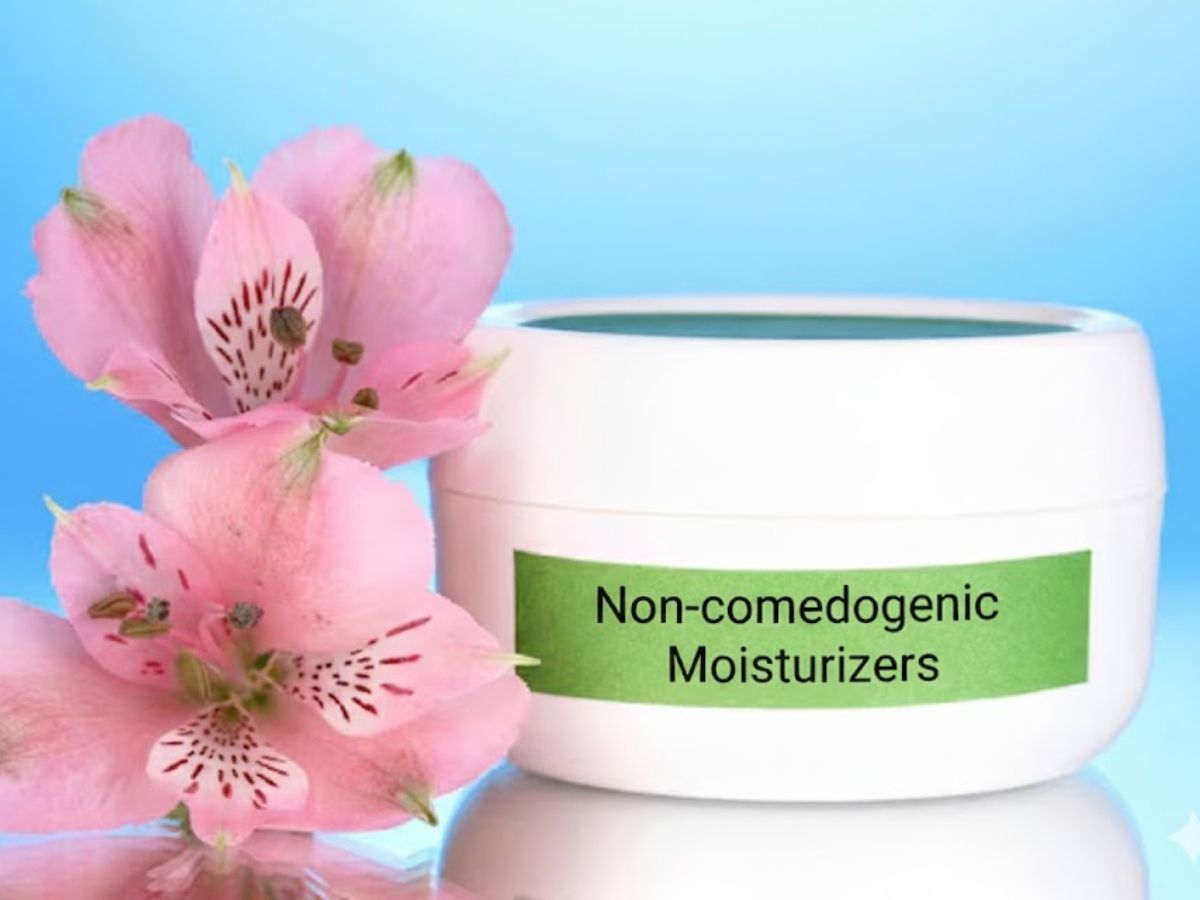
Even oily skin requires a moisturizer; however, you should select one that is light, gel-based, and does not clog pores. Because clogged pores cause acne and damage your skin. Choose moisturizer wisely as per your skin requirement.
Night cream:
Night creams are just like oxygen to skin so that it can breathe. Buy night cream thatrepair your skin and make it healthier and smoother. Do not take your skin as test lab, always take care of it. Avoid steroid and paraffin based creams as they damage the skin badly.
Basic hygiene practice:
Basic hygiene cannot be ignored while following daily skin care routine. Change the covers of your pillows at least once a week. Before going to bed, wash or wrap your hair. To determine how your skin responds, begin with a straightforward routine. You can then add additional products to improve your skin’s health, such as exfoliate masks, and spot treatments. Once you feel at ease that how quickly your skin responds to a product how effectively your skin defends itself how quickly you get red skin possibility of skin allergy. Continue with those products and get a natural glow with every passing day.
DIY Techniques:
DIY techniques like toothpaste and lemon juice have been shown to work wonders for common skin issues like dark spots and acne bumps. Baking soda, according to Emma Stone, an award-winning actress, is her skincare secret. Do not use them even if everyone else uses it. If you really love your skin you must go for DIY hacks at all.
Avoid these DIY hacks:
Lemon juice:
It may contain citric acid, but its excessive acidity can lead to sunburn and dark spots.
Baking soda:
At a pH of 8 to 9, baking soda will dry out your skin, make it more sensitive, and significantly reduce its water content.
Garlic:
In raw form, garlic can cause trusted Source skin allergies, eczema, skin inflammation, and watery blisters.
Toothpaste:
Potentially toothpaste can kill the germs and whiten the skin. But excessive use van lead to dehydrated skin and cause irritation
Sugar:
Most of the people use sugar as an exfoliator which should be avoided. It can be too harsh and can damage your skin badly.
Although some of these ingredients are inexpensive and natural, they are not intended for use on the skin. These ingredients have the potential to cause damage that is delayed or lasts for a long time, even if you don’t feel any immediate effects.

Alternative to home remedies:
Scarring on your skin is more likely to occur the deeper the wound. Here are some treatments for problem areas that are supported by science;
- Alpha-hydroxyl acid , salicylic peroxide of benzoyl adapalene and tea tree extract can benefit your skin more than these home-made raw ingredients.
- Acne patches, like blister bandages, damage your skin overnight. Since makeup can’t cover these, it’s best to use things that are good for it.
However, if you don’t use these techniques correctly, they may have more negative effects on your skin than positive ones.
Side Effects:
Overtime, you can also cause;
- irritation
- infection
- open pores
- dryness
- redness
- peeling.
Sebaceous filaments:
These are the tiny oil fillers that are present naturally in your skin and help to transport sebum to the surface of skin. Sometimes it changes it not grey, yellow or red dots specially on nose and chin areas. You cannot remove it like blackheads but it can be minimize with proper skincare.
How to minimize sebaceous filaments:
- Clean your instrument and face first.
- To see if the filament emerges, gently press the circle around the bump.
- Be careful because applying too much pressure can result in bruising and scarring.
- Treat the area with moisturizer after.
- To prevent infections, always sanitize your instrument before and after use with rubbing alcohol.
Note:
Applying benzoyl peroxide after washing and before extraction can also provide additional benefits. Retinoid or retinol-containing topical preparations can aid in maintaining clear pores. An extraction tool is another method for removing sebaceous filaments.
Hyperpigmentation:
Hyperpigmentation is more difficult to treat; darker skin tones actually require more sun protection. Make sure to read the product labels and select items that are appropriate for your skin type and sensitivity. Use of SPF Day cream will help your skin from sun exposure. SPF will protect your skin from direct sun exposure and tanning.
Blemishes, scars:
Scars are the marks that a person gets on his skin after acne, injury. Blemishes are the temporary spo9ts that disappears with the passage of time. That means you can remove blemishes over the time but scars can get lighten with the passage of time. You can significantly reduce the scars visibility with the proper skin care.
Silicone:
According to studies silicone can enhance the color, texture. Excess of everything leads to skin damage and you can only regret once the damage is done.
Niacin amide: Numerous studies have demonstrated that niacin amide has the ability to lessen acne-related dark spots and blemishes. It can be a wise choice to reduce dark spots and remove blemishes.
Conclusion:
Always wash your face before going to bed. Look for products that contain the ingredients that suit to your skin. Incorporate those products into your skin routine. Apply sunscreen on daily basis inside and outside home. A good skin care routine can protect yourself from sunburn, dark spots and blemishes, can scars and hyperpigmentation.